
Propolis and bee pollen both come from bees, but each offers a different range of nutrients and immune-supporting perks. If you’re hunting for natural ways to give your immune system a little extra help, you might see both of these buzzing around health food shelves. There’s a lot of buzz (pun totally intended) about their benefits, and knowing the difference helps you choose what’s right for you—or even if combining both makes sense.
Understanding Bee Pollen and Propolis
Both propolis and bee pollen have been used in traditional wellness routines for ages. But what are they, exactly? What makes each one stand out when it comes to helping your immune system?
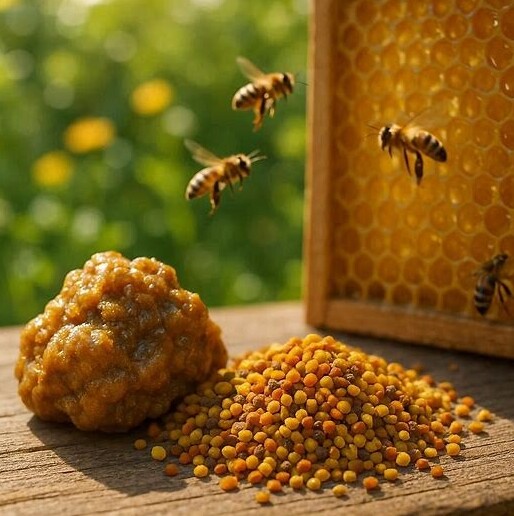
- Bee Pollen: These are tiny grains collected by bees from flowering plants. They bundle it with nectar and enzymes, bringing it back to the hive as protein packed food. It’s loaded with vitamins, minerals, antioxidants, and aminos.
- Propolis: Sometimes called bee glue, it’s a sticky, resin-like stuff that bees make from tree sap mixed with their own enzymes and beeswax. Bees use it to seal and protect their hives from bacteria and invaders.
The Immune-Boosting Powers of Bee Pollen
Bee pollen is basically a nutrient dense superfood. It’s got B vitamins, vitamin C, minerals such as zinc and selenium, and powerful plant antioxidants like flavonoids. These nutrients help your body maintain and repair cells and may help keep your immune system strong.
Some studies suggest that bee pollen can help control inflammation and boost antioxidant activity. Keeping inflammation in check is important because chronic inflammation can leave your immune system on edge. People often notice fewer seasonal sicknesses when they use bee pollen regularly, especially those who want natural support during cold and allergy seasons.
How Bee Pollen Supports Immunity:
- Rich in antioxidants that protect cells from damage.
- Contains micronutrients that help immune cells work better.
- Has anti-inflammatory compounds that keep immune response balanced.
What Propolis Does for the Immune System
Propolis is famous for its ability to guard the beehive from germs, and it may do the same for humans. It has natural compounds called polyphenols (especially a type called caffeic acid phenethyl ester, or CAPE) that have been shown to fight bacteria, viruses, and fungi. This makes propolis pretty handy if you’re trying to stay one step ahead of colds, flu, or even oral infections.
Some folks use propolis as a throat spray or tincture at the first sign of a sore throat or sniffle. It’s even used on cuts and wounds to keep germs away. Basically, propolis acts as a shield. It can be a real friend when you’re feeling run down or exposed to germs.
Does Propolis Boost the Immune System?
Yes, propolis does boost the immune system. There’s good research showing it can trigger a healthy immune response, help white blood cells get rid of invaders faster, and lower the risk of some common illnesses. It isn’t a fast fix, but using propolis seems to offer long term support for immune health and resilience.
Top Ways Propolis Supports Immunity:
- Has strong antimicrobial effects (antibacterial, antiviral, antifungal)
- Helps white blood cells respond to infections
- Soothes throat and mouth irritations linked to germs
Propolis vs Bee Pollen: A Straightforward Comparison
Choosing between bee pollen and propolis is a bit like deciding between a full multivitamin (bee pollen) and an all natural germ shield (propolis). So, which is better? Here’s how I break it down:
- Nutritional Kick: Bee pollen is packed with nutrients that keep your body in balance and boost energy. If you’re looking for everyday nutritional support with immune benefits, bee pollen fits the bill.
- Protection Power: Propolis is best known for fighting off germs and soothing inflamed tissues, especially for the throat and mouth. If you want extra defense when you’re feeling vulnerable to colds, propolis is worth checking out.
Neither one is “better” for everyone; it depends on your needs. Some people even use both together for a combo effect.
Can Children Safely Take Propolis?
A lot of parents ask if propolis is good for children. Generally, propolis is used in kids’ supplements and natural sore throat sprays, and it’s considered safe for most children, especially over age one. But it’s super important to watch for allergic reactions, especially in kids who have allergies to bees, pollen, or honey. For young kids under one, honey and products with honey or unpasteurized bee ingredients should be avoided, so always check with a pediatrician before adding bee products to a child’s routine.
Using Bee Pollen and Propolis Together
You don’t need to choose just one. Many adults include both in their wellness routine to get a wider range of benefits. Using bee pollen in smoothies or breakfast bowls gives you extra nutrients and long term immune help. Propolis sprays or tinctures make sense if you want on the spot antimicrobial support, like when you feel a sore throat coming on.
The two don’t interact in a bad way for most people, and using both may help you feel more supported.
Things to Think About Before Trying Bee Pollen or Propolis
While both are pretty natural, there are a few things to keep in mind:
- Allergies: If you know you have pollen, bee, or plant allergies, introduce these products with caution and start with tiny amounts.
- Quality & Source: Where your bee products come from makes a difference. Look for brands that test for pesticide residue and contaminants to make sure you get the safest possible product.
- Pregnancy & Medical Conditions: People who are pregnant, breastfeeding, or have autoimmune issues should check with a healthcare provider before using bee products.
Real Life Tips for Getting the Most Out of Bee Products
- Try bee pollen granules on yogurt, oatmeal, or in smoothies instead of heat (high temps can damage nutrients).
- Use propolis spray or tincture when you’re traveling or need extra protection from germs.
- Keep bee products in a cool, dry place to keep them fresh.
I started adding bee pollen to my breakfast when allergy season kicks in, and it’s helped me feel less stuffy in the mornings. On busy weeks, propolis tincture is my go-to if I feel that tell tale tickle in my throat; just a couple drops under my tongue makes a difference.
Even though propolis and bee pollen aren’t miracle cures, they can be helpful tools in a well-rounded approach to supporting health and immunity.
Bees give us more than just honey, and both bee pollen and propolis are worth a closer look if you care about natural ways to feel your best throughout the year.
Another thing to remember is that bee pollen and propolis have unique flavors and textures. Bee pollen has a slightly sweet, floral taste with a bit of crunch, and propolis is more resinous and bitter, which may take some getting used to. If you’re new to bee products, start with small amounts added to foods or diluted in water so you can adjust to the flavor and check for any sensitivities. Some stores offer blends with honey, which can mellow out the taste of propolis and make it easier to use daily. Regardless of how you enjoy them, bee pollen and propolis are versatile additions to a natural wellness toolkit, offering both nutritional and immune benefits with regular use.